
The Science
Why We Need Worm Castings
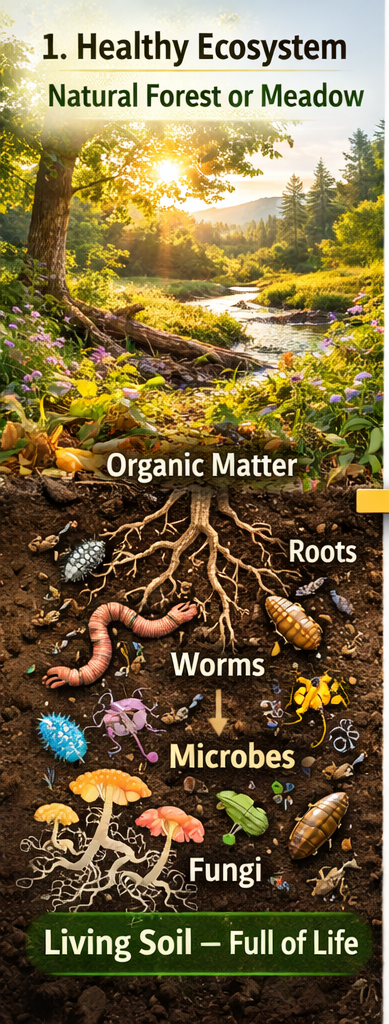
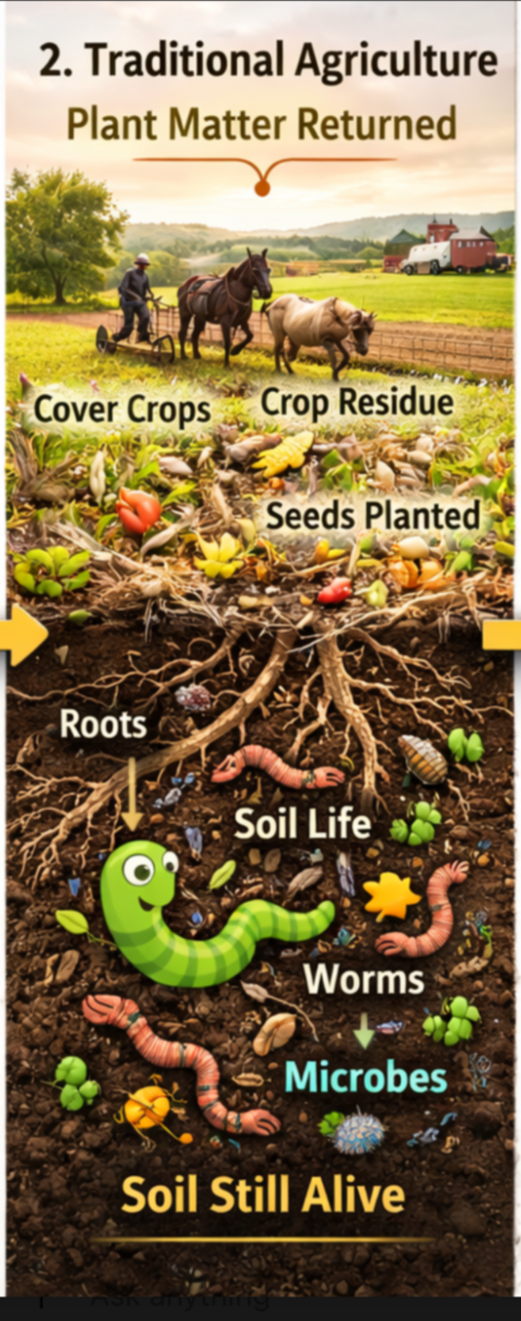
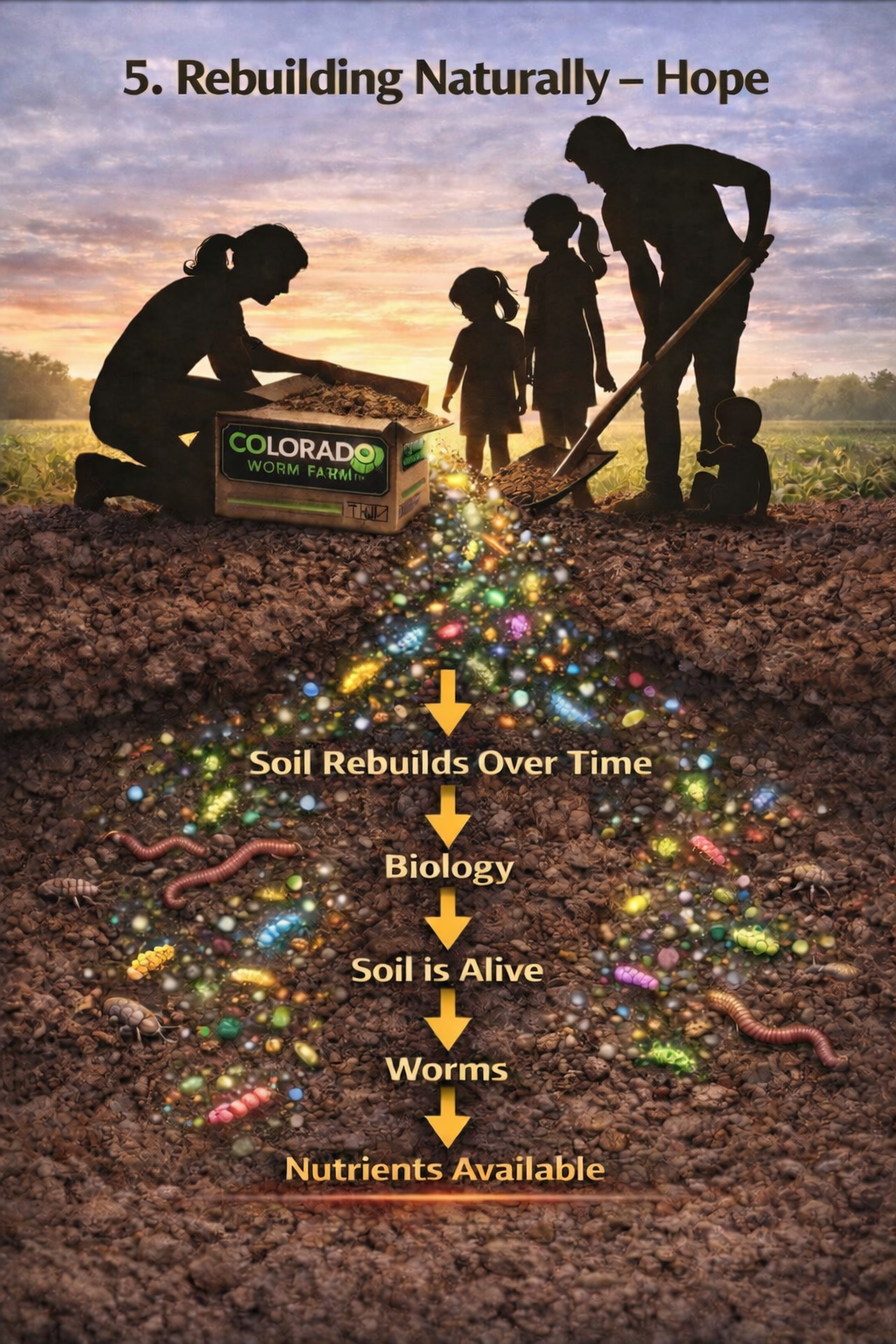
Across much of the U.S., decades of changing agricultural practices have quietly depleted soil life. Historically, fields were rarely left bare. Crop residue, cover crops, and grazing animals returned organic matter to the land, protecting soil from erosion and feeding the vast community of microorganisms beneath the surface. Through winter, plant material decomposed under snow, nourishing worms, insects, fungi, and bacteria that built fertile, resilient soil. This natural cycle supported healthy crops without the need for synthetic inputs.
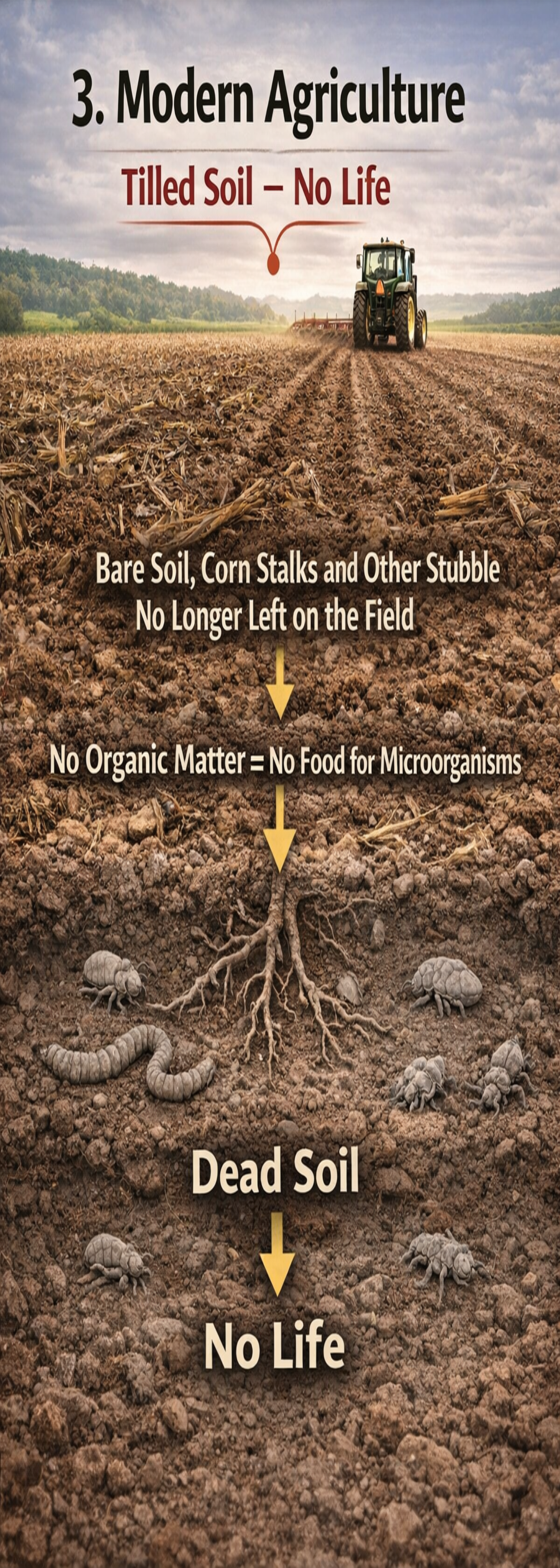
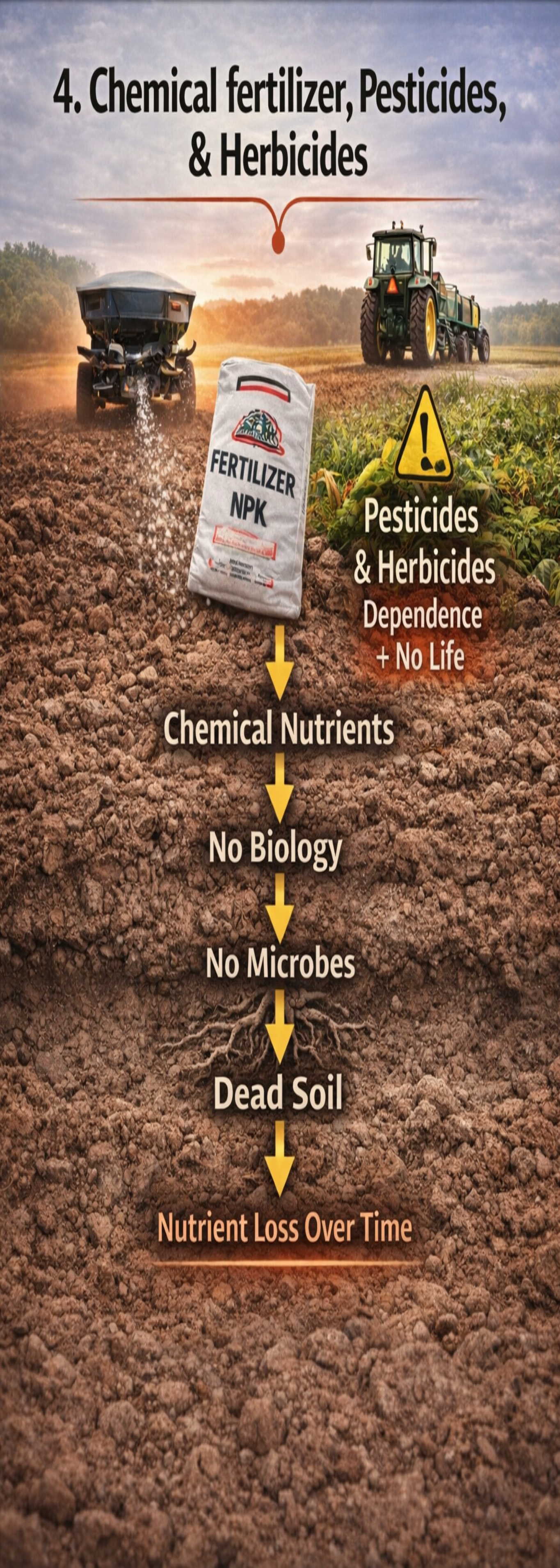
Over time, many systems shifted toward efficiency and full harvest. Crop residues once left to decompose—like corn stalks—are now often removed and sold, leaving fields exposed. Bare soil may appear clean, but without plant matter there is little food for microbes, less habitat for beneficial insects, and reduced manure from wildlife or livestock. Similar practices are common in home gardens and raised beds, where tidy fall cleanup removes organic matter that would otherwise rebuild soil. To compensate for declining fertility, synthetic fertilizers became the solution—providing nutrients that help plants grow but doing little to restore the living soil ecosystem and often requiring repeated annual use.
As soil biology declined, reliance on herbicides and pesticides increased to manage weeds and pests once balanced by natural ecological relationships. Even when soil organisms begin to recover, these chemicals can further disrupt the delicate underground community. Vermiculture (or vermicomposting - the process of using red wiggler worms to transform organic waste into living soil) offers a restorative path forward. By introducing worm castings rich in beneficial microbes, organic matter, and plant-available nutrients, soils can gradually regain structure, fertility, and biological diversity. This living foundation supports healthier plants, reduces dependence on chemical inputs, and helps restore the natural cycles that allow soil—and the life it sustains—to thrive.
How Are Worm Castings Created?
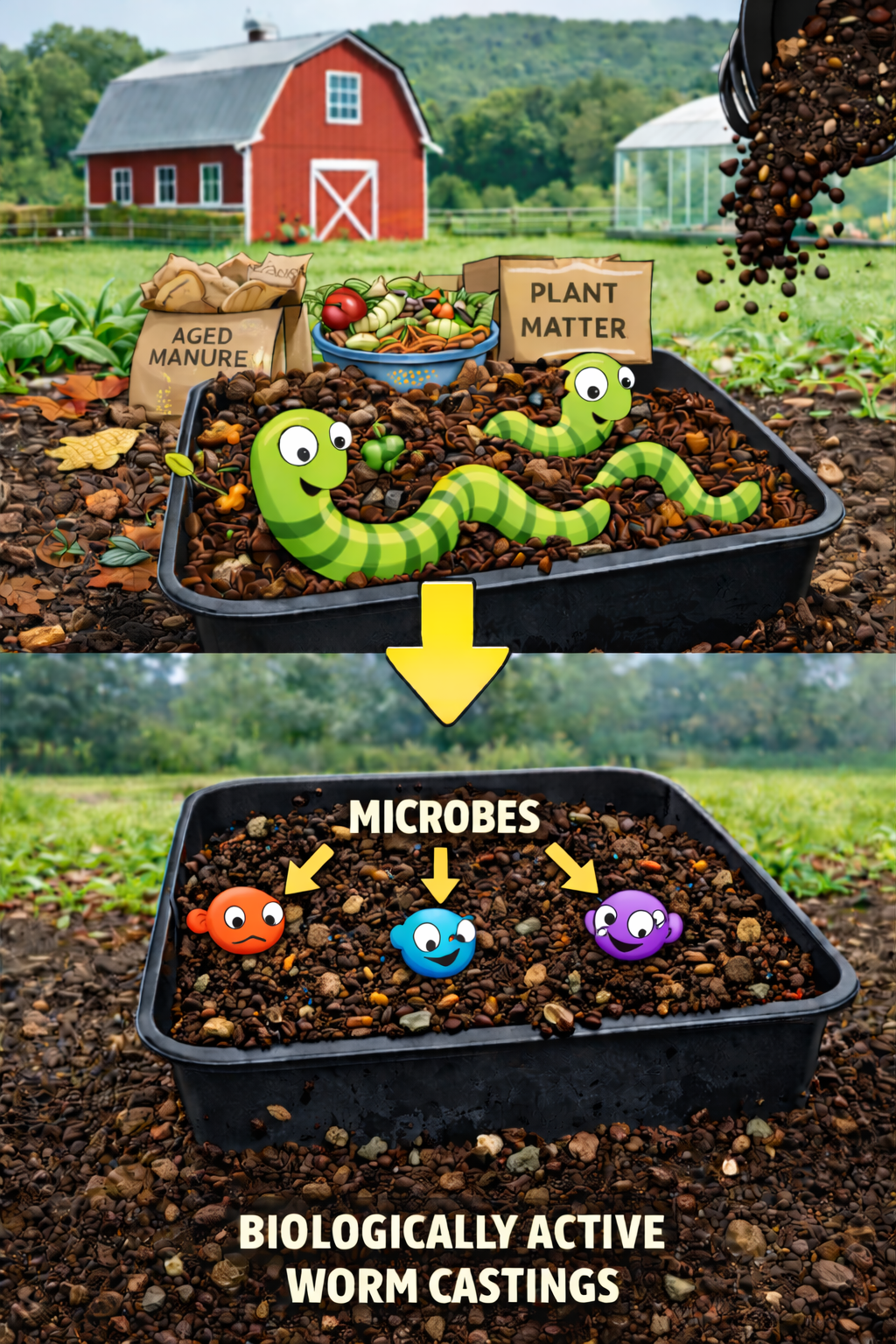
Worm castings are created through a natural composting process known as vermiculture (or vermicomposting) - which most often red wiggler worms (which is what we use) —to transform organic waste into living soil. In this system, organic materials such as kitchen scraps, decaying plant matter, cardboard, and aged manure are placed into a worm bin, a contained, moist environment designed to mimic the forest floor. Inside the bin, worms consume this organic material along with naturally occurring microbes. As the material passes through the worm’s digestive system, it is broken down, enriched with beneficial microorganisms and minerals, and excreted as worm castings.
During digestion, worms and their associated microbes convert nutrients into plant-available forms. Worm castings contain essential elements like nitrogen, phosphorus, potassium, calcium, magnesium, iron, and trace minerals. Just as important is the diverse community of beneficial microorganisms—including bacteria, fungi, and actinomycetes (soil microbes that help decompose organic matter and produce natural disease-suppressing compounds). These organisms drive processes such as nitrogen fixation (converting atmospheric nitrogen into forms plants can use) and mineral solubilization (unlocking nutrients bound in soil particles so plant roots can absorb them). Worms "digestion and excretions” also add humus, a spongy material that holds moisture for longer. The microbes created in the worm’s gut not only fix nutrients, but produce natural growth hormones needed by plants: auxins (strengthen root systems), cytokinins (promote leaf growth and increase plant longevity), and gibberellins (stimulates germination, stem growth, and early vigor).
The result is a living soil amendment that improves soil structure, increases water retention, and supports strong root development. Plants grown in soil enriched with worm castings often show increased vigor, improved flavor, higher nutrient density, and greater resilience to stress and disease. Rather than feeding the plant directly, worm castings nourish the soil ecosystem—allowing plants to access nutrients gradually and naturally over time.
Unlike synthetic fertilizers, which provide quick-release nutrients but can disrupt soil biology and require repeated applications, vermiculture products like worm castings help rebuild healthy, living soil. When soil is cared for with organic matter and protected from over-tilling, erosion, and prolonged dryness, its microbial community can sustain itself and even grow stronger each season. In this way, worm castings serve as a regenerative alternative—supporting long-term soil fertility while reducing dependence on chemical inputs.